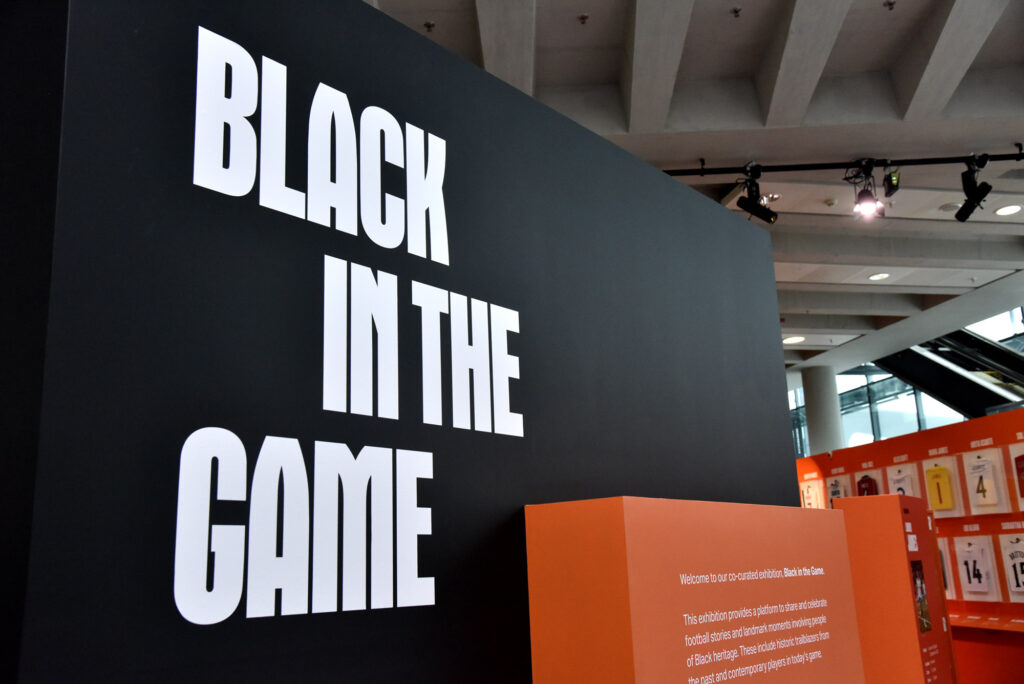
It is your last chance to catch the National Football Museum’s landmark exhibition – Black in the Game – before it closes on Sunday 8 March, marking the final chance to experience a powerful celebration of Black heritage, achievement, and influence in football.
Since opening in October 2025, Black in the Game has shone a light on the often-untold histories of African and Caribbean communities in football, exploring their cultural impact, resilience, and enduring contribution to the national game. Co-curated with people who have lived and shaped this history, the exhibition has brought together voices, stories, and objects rarely seen together in one place.
Funded by The National Lottery Heritage Fund, the exhibition features an extraordinary range of iconic objects, including England shirts from both the men’s and women’s international teams, Mary Phillip’s UEFA Cup final shirt from her historic quadruple-winning season, Ian Wright’s breakthrough Crystal Palace shirt, and Chris Kamara’s iconic commentary headset.
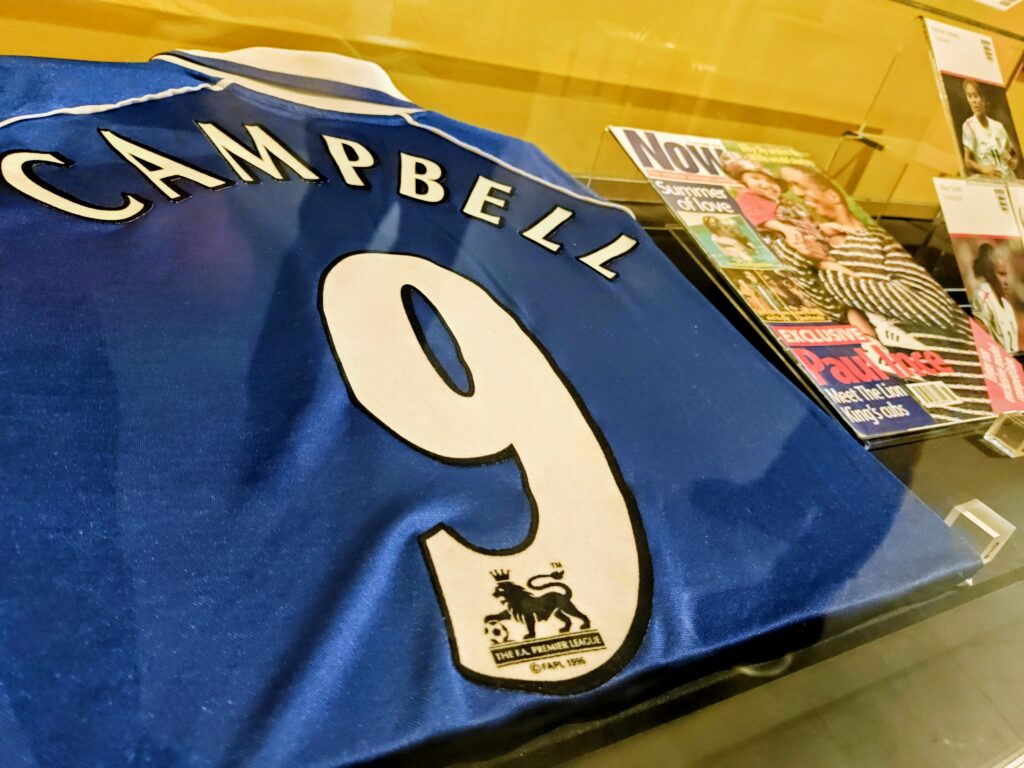
The exhibition also honours the legacy of Kevin Campbell, celebrating his impact on the game and his continued influence beyond it. The display highlights the Foundation established in his memory, which aims to advance the lives of children and young people through the provision of support and activities. Using football as the main vehicle of engagement, they develop skills and capacities to empower them to realise their full potential. You can find more about the foundation at: www.kevincampbellfoundation.com
Lorna Campbell, Kevin’s Sister, and CEO at the Kevin Campbell Foundation, said: “We were honoured and humbled that Kevin’s Everton shirt could be part of such an important exhibition. The fact that Kevin was the first black captain at Everton demonstrates his role in breaking down barriers and influencing what modern football teams look like today.”
Tim Desmond, CEO at the National Football Museum, said: “Black in the Game has been one of the most important exhibitions we have ever staged. It has given space to stories that deserve to be seen, heard, and recognised as central to football’s history. As the exhibition draws to a close, we encourage everyone to visit and reflect on the people and communities who have shaped the game, challenged barriers, and continue to influence football today.”