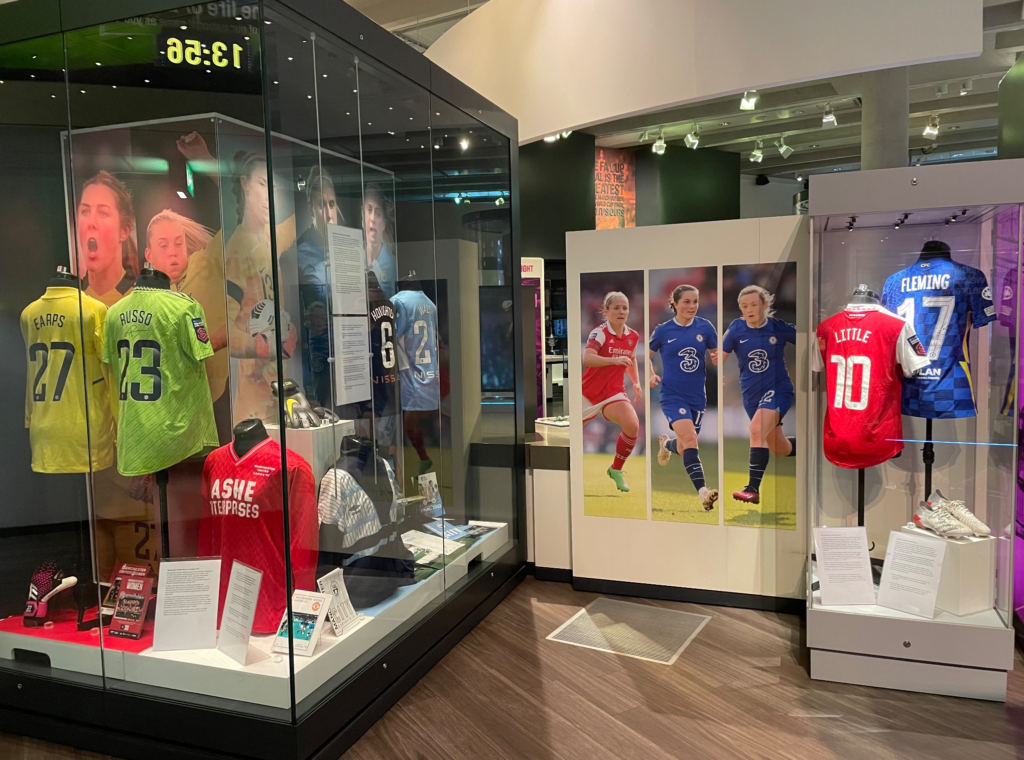
Just as men’s football existed before 1992, women’s football existed before 2011.
The creation of the Women’s Super League has undoubtedly grown the game, with Chelsea, Arsenal and Manchester City emerging as dominant forces. But what about the pre-WSL era? Here are four clubs that enjoyed success in previous decades.
Southampton Women
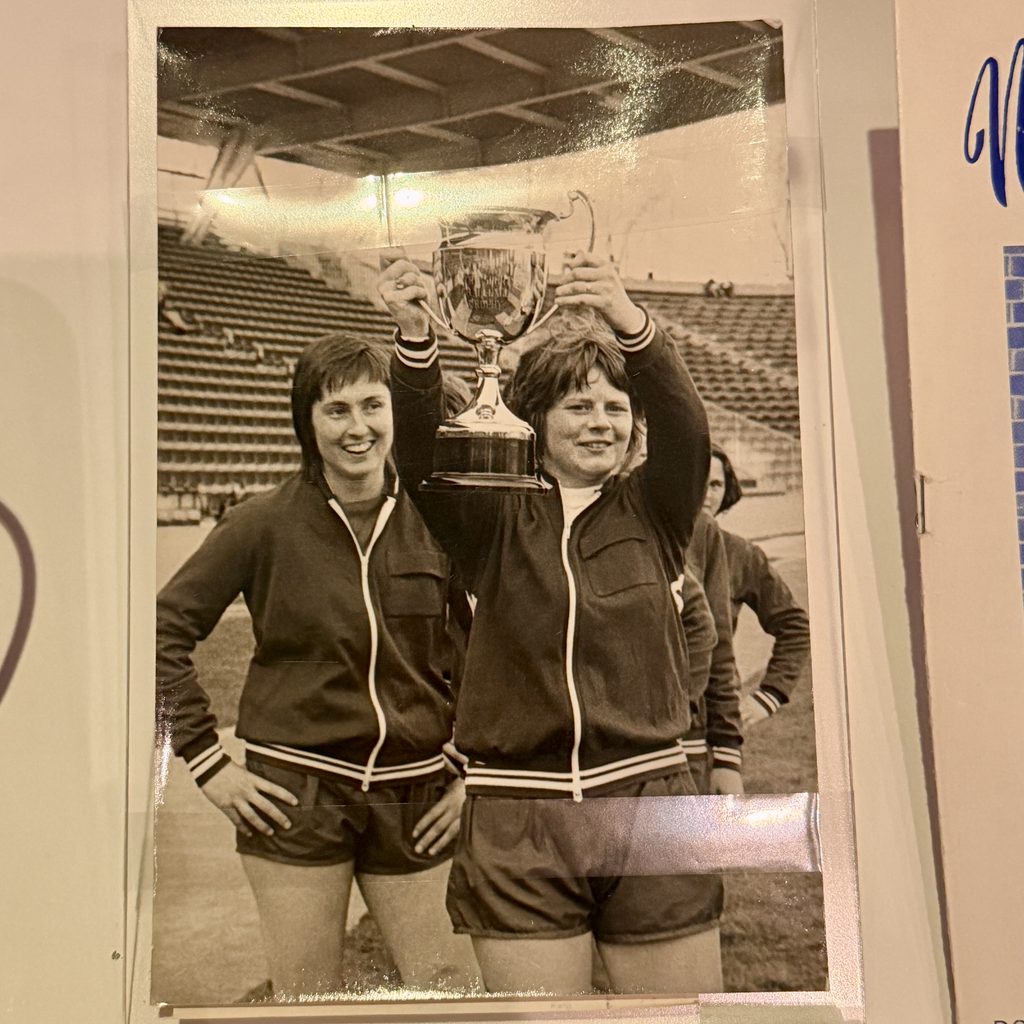
The dominant force of the seventies, Southampton were formed in 1970 – and won their first major silverware within a year.
The Saints defeated Scottish side Stewarton Thistle to lift the inaugural Women’s FA Cup, and soon established a stranglehold on the competition. They appeared in every one of the first nine finals, winning seven of those. Their most impressive victory was an 8-2 drubbing of QPR in 1977, avenging their defeat the previous year.
The squad was comprised of the country’s best attacking talent, including museum Hall of Famer Sue Lopez, and two prolific Pats: Chapman and Davies. At the other end, they had the Lionesses’ first goalkeeper, Sue Buckett, tending the net and often wearing the armband.
To date, only Arsenal have enjoyed more Women’s FA Cup success.
Doncaster Belles
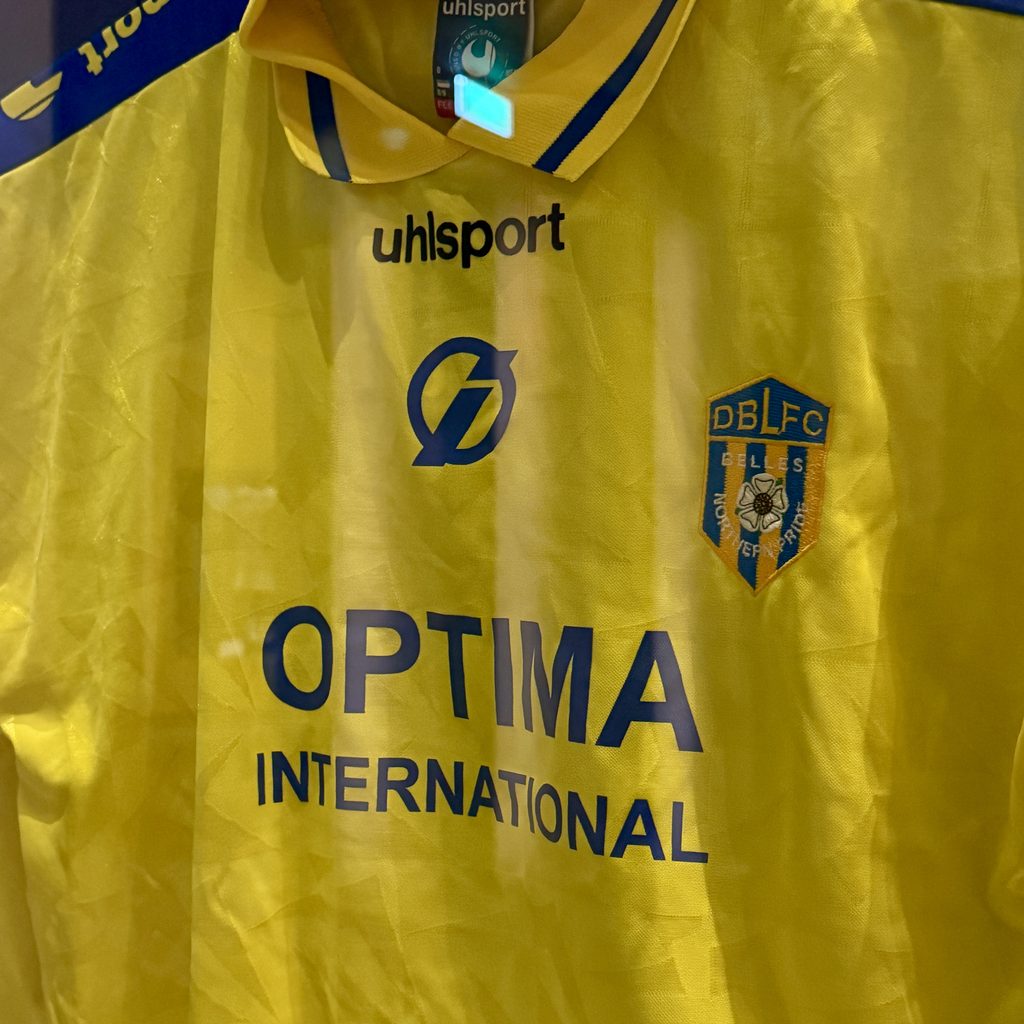
If Southampton dominated the seventies, then Doncaster Belles did much the same during the eighties.
Like Southampton, Donny Belles were almost ever-present in the WFA Cup, reaching six consecutive finals. Having won the first 1983, a 3-2 victory over St Helens, the Belles suffered the heartbreak of three consecutive final defeats to three different teams, before once again defeating St Helens in 1987.
With midfield general Gillian Coultard and powerhouse forward Karen Walker in their ranks, Donny Belles would lift another three cups between 1988 and 1994, establishing themselves as the team to beat on a national level.
That reputation was reinforced when they joined inaugural WFA National League, one of eight teams in its Premier Division. They would steamroll that first national league, clinching a Double with a 100% league record.
Arsenal proved a sterner test in the second season, pipping the Belles to top spot by just two points, but the two teams switched places again in 1993-94, with Doncaster completing their second Double in three seasons.
Croydon
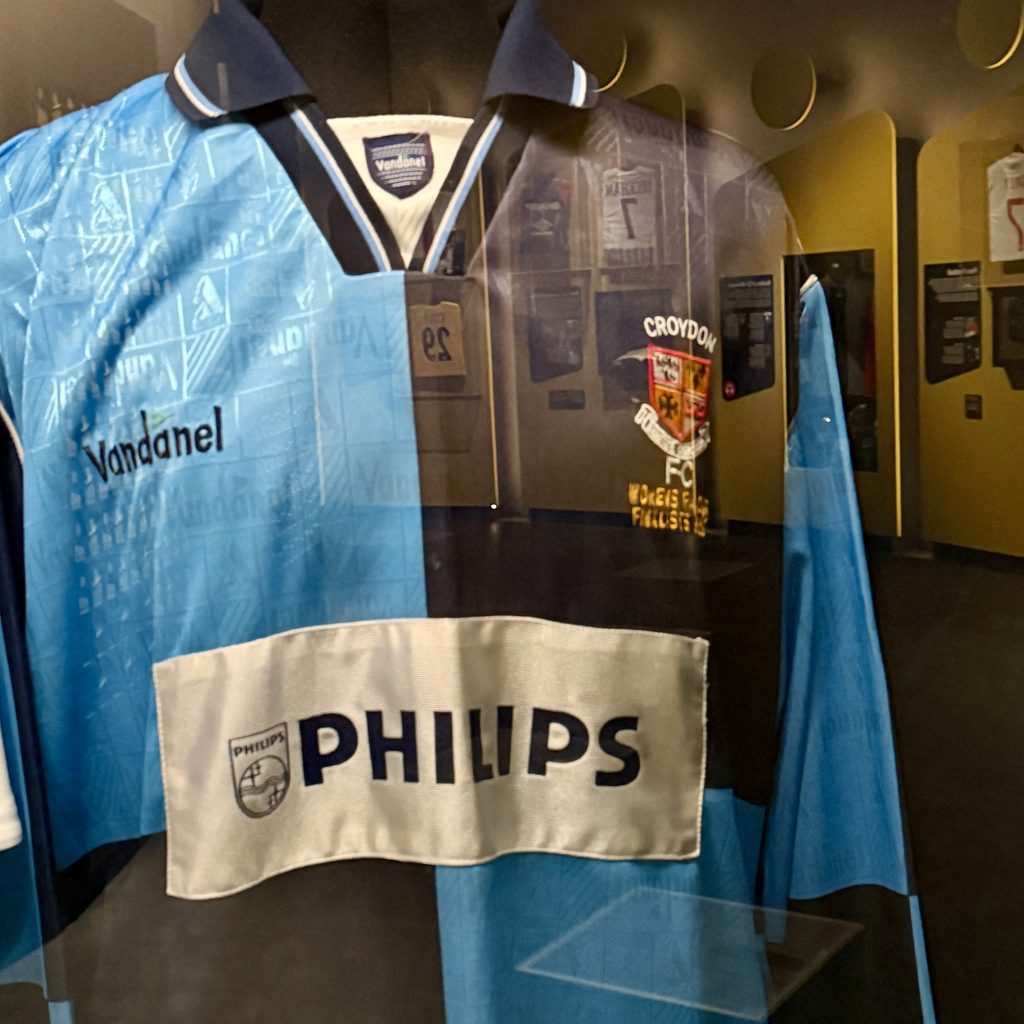
Initially a splinter club formed by disillusioned Millwall Lionesses players, Bromley Borough rocketed through the divisions and earned promotion to the top flight within just three years.
Rechristened as Croydon, the team appointed Lionesses legend Debbie Bampton as player-manager. The side already boasted plenty of international quality, including skipper Hope Powell and Brenda Sempare, but Bampton helped bring in even more star firepower.
With Kerry Davis leading the line, Croydon finished a respectable fourth in their first season at that level, but more was to come. The following year, the club won their first national title, edging out Doncaster Belles on goal difference, before beating Liverpool on penalties in the 1996 Women’s FA Cup Final.
Arsenal
From the mid-nineties, one side was almost untouchable at the top of the table.
In North London, Vic Akers built a formidable Arsenal side full of talent and character.
Faye White and Mary Philip anchoring the side at the back. Sian Williams driving the midfield forward. Rachel Yankey, Marieanne Spacey and Kelly Smith doing the business up top.
Prior to the formation of the WSL, Arsenal lifted a staggering ten FA Cups, ten League Cups and twelve – yes, twelve – league titles. As a result, the Gunners are the most successful side in every one of those competitions.
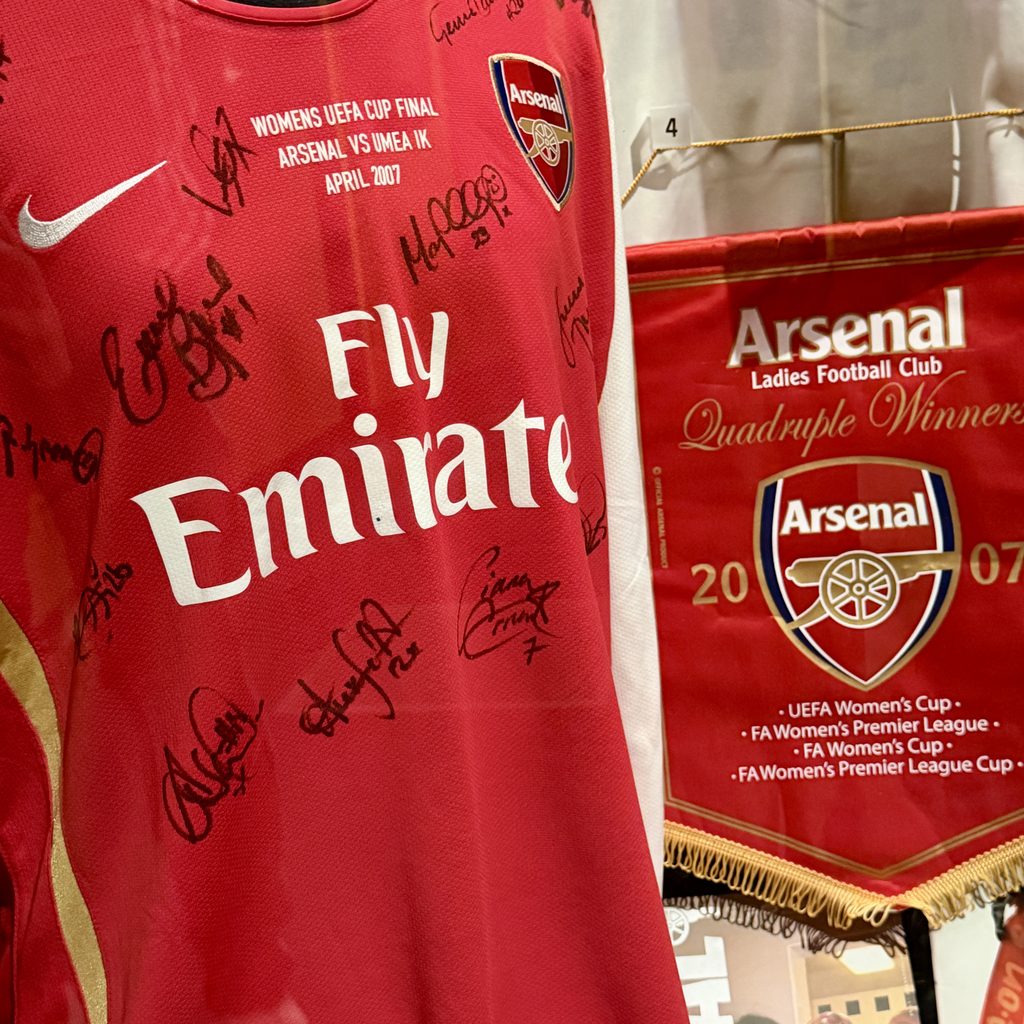
It wasn’t just a golden era domestically. In 2007, Arsenal became the first English club to lift the UEFA Women’s Cup, now better known as the Women’s Champions League. They defeated Swedish outfit Umea over two legs, an unlikely goal from Alex Scott enough to clinch European silverware.
With so many winners’ medals to their name, this Arsenal side is often considered to be the greatest in English women’s football history.