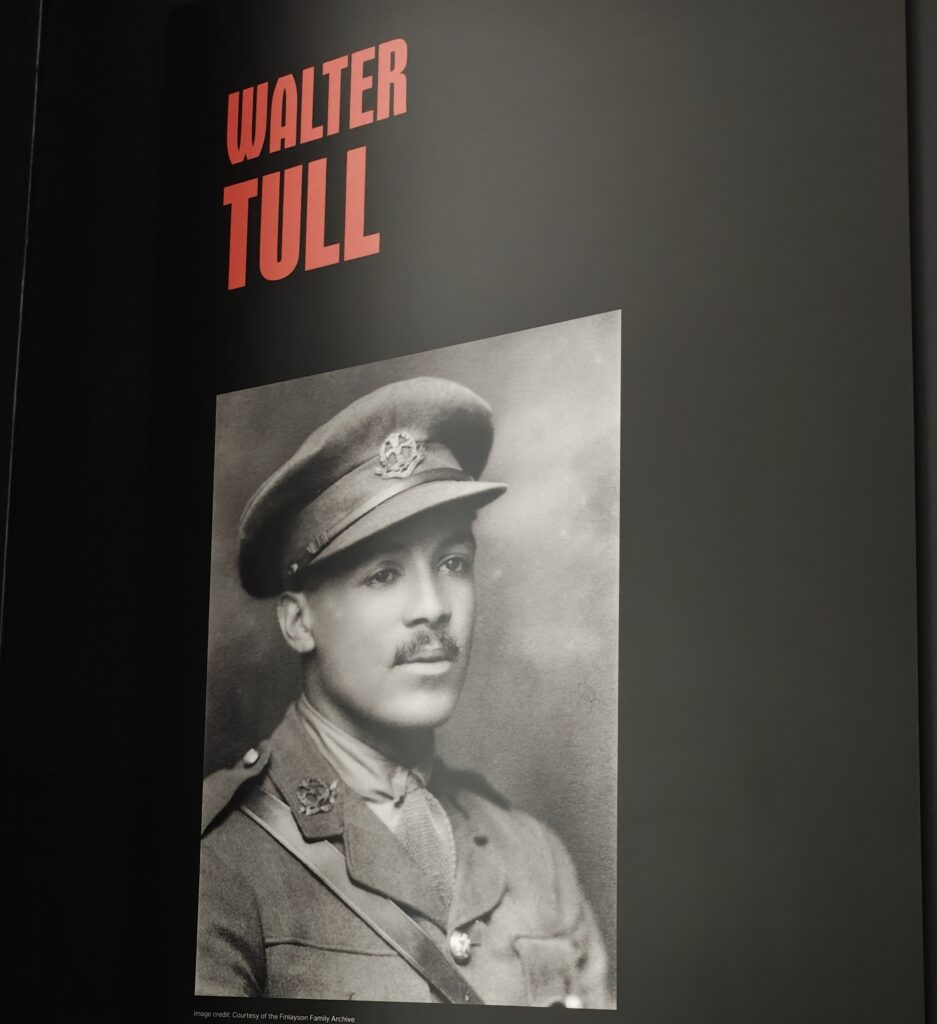
Did you know that one of the British Army’s first Black heritage officers was a professional footballer?
Born to an English mother and a Barbadian father, Walter Tull was born and bred in the town of Folkestone, though he lost both of his birth parents before he was ten years old. He and his brother Daniel would grow up in an East London orphanage: while Daniel was adopted by a family in Glasgow, Walter stayed in London, training as an apprentice printer.
Walter’s career in the game began as an amateur with Clapton, where the inside-forward impressed. In his short time at the club, Walter won the London County Amateur Cup, the London Senior Cup and, most notably, the FA Amateur Cup, part of a side that drubbed Eston United 6-0 in the final.
@nationalfootballmuseum Who was one of the first Black heritage officers in the British Army – and why is he relevant to us? Before he was a second lieutenant, Walter Tull was a professional footballer with @spursofficial and @Northampton Town FC. We remember Walter and all those footballers who served our country in battle, every day on our galleries. #football #footballtiktok #footballhistory #footballmuseum #remembranceday ♬ original sound – National Football Museum
His performances were strong enough to earn Walter a professional contract at Tottenham Hotspur. Though he showed promise in his initial performances, Tull was soon demoted to the reserves. It has been suggested that one reason for his demotion was the barrage of racial abuse he received from opposition supporters in a fixture against Bristol City.
After making limited appearances for Spurs, Tull moved to Northampton Town for a considerable sum, and found plenty more game time at the County Ground. He made over 100 outings for the Cobblers before the outbreak of war.
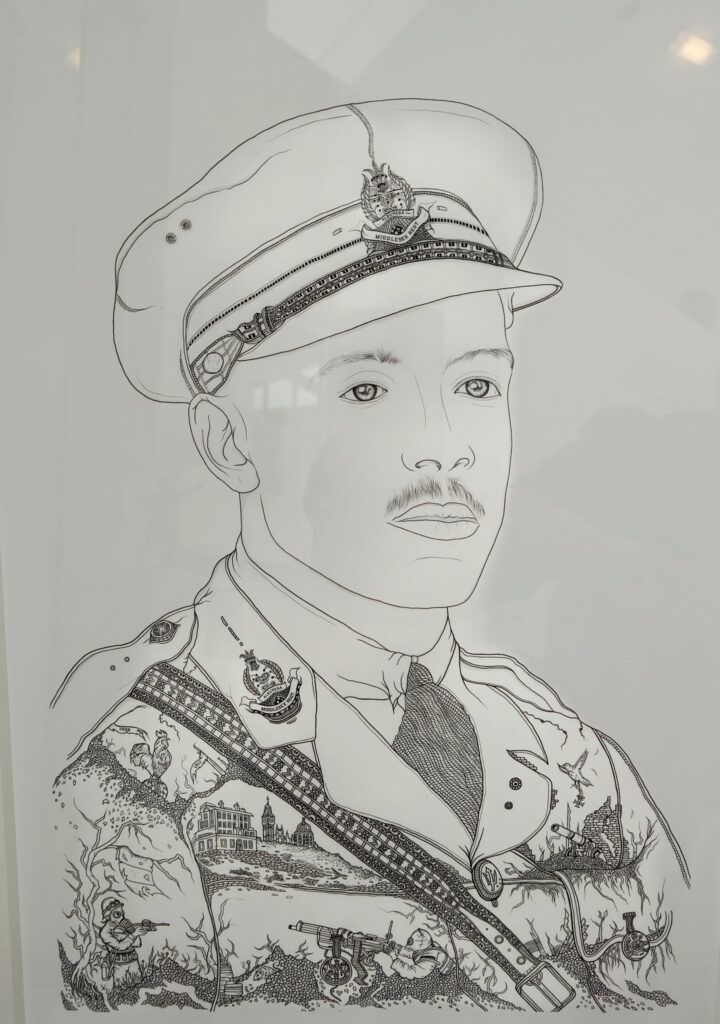
Walter became one of the early footballers who joined the Football Battalions (both the 17th and 23rd) as well as the 5th Battalion. Tull rose through the ranks of the British Army, fighting in the infamous Battle of the Somme in 1916, before rising to the position of second lieutenant in May 1917. In doing so, he became one of the first men of Black heritage to occupy an officer position, despite army rules at the time prohibiting Black soldiers from commanding white troops.
He was noted for his “coolness and gallantry” when leading a daring night raid in enemy territory whilst stationed in Italy. Sadly, Walter would not see the end of the war. He was killed in action in March 1918, just eight months before the armistice was signed. Another footballer, former Leicester Fosse goalkeeper Tom Billingham, attempted to recover Tull from the battlefield, to no avail.
Walter is one of football’s many heroes that served our country that we remember every day on our galleries. Walter’s story is also told in our new Black in the Game exhibition.