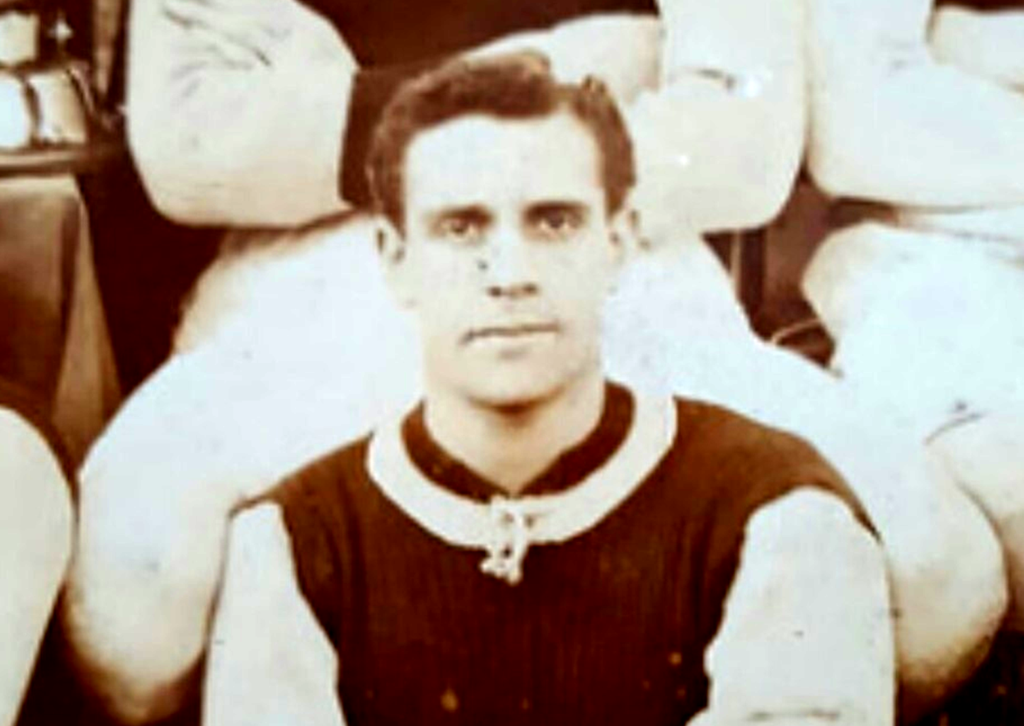
Written by Bill Hern and David Gleave, authors of Football’s Black Pioneers: The Stories of the First Black Players to Represent the 92 League Clubs
The streets of Handsworth were deserted when Willie Clarke walked to his home in Norris Road, Birmingham late on Christmas Day 1901.
Despite the bitter cold and the heavy rain, Willie had a spring in his step. Earlier that day he had scored the winning goal for Aston Villa at top of the table Everton. It was his first goal for Villa, then one of the best teams in the world. What Willie would not have appreciated is that it was also the first goal ever scored by a Black player in the Football League.
In fact, he was only the third Black player to appear in the English League. The two that preceded him – Arthur Wharton of Sheffield United and Lincoln’s John Walker – had only one First Division appearance between them. Willie would go on to play 42 times for the Villans in the top division. He was, of course, Villa’s first Black player.
The Everton game was played in heavy rain and the pitch was a quagmire. Villa lost a player through injury early in the game and had to continue with only ten players – no substitutes in those days. The 20,000 crowd delayed their Christmas dinner to watch the top of the table tussle which kicked off at 2:15pm in order to ensure completion before the light got too bad to continue. Floodlights were still decades away from being introduced.
Everton twice led but both times Villa pegged them back before Willie netted the winner in a 3-2 victory. The match was a real four-pointer (only two points for a win in those days). Had Villa lost they would have been eight points adrift of the Toffees. Instead, Villa would find themselves top on goal average only three days later.
It might seem odd that the Villa squad did not delay their return to Birmingham until Boxing Day morning. That was not an option however, as they had a local derby at home to Small Heath (forerunners of Birmingham City) that same day. In addition, they faced Nottingham Forest on 28 December. Both games were won with Willie scoring the second goal in a 3-0 win over Forest.
A fourth game within a week proved too much for Villa and the new league leaders lost 6-0 at Sheffield United on New Year’s Day. Villa ended the season in eighth position with Sunderland taking the title, three points ahead of runners-up Everton.
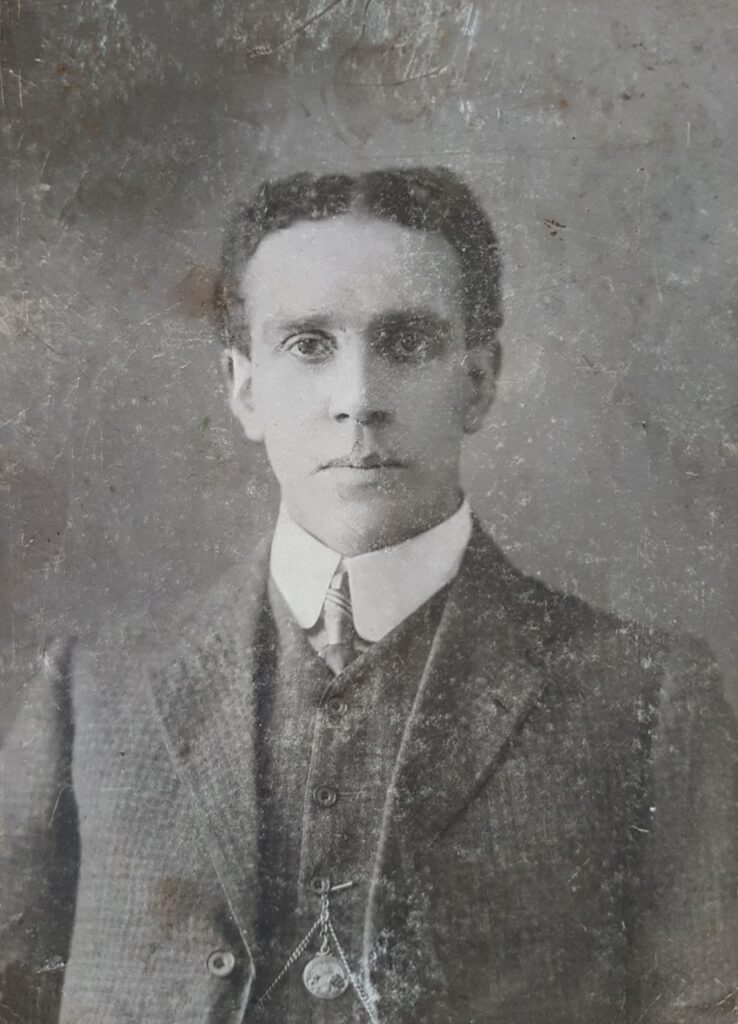
Willie was born in Scotland, the son of Alexander Clarke who was born in British Guiana to a white father and Black mother. Sadly, the racist press of the early 20th century would routinely refer to him using a derogatory slur, referencing the colour of his skin.
After doing well in Scottish football, Willie moved south of the border and had a season in the Southern League with Bristol Rovers before capturing the attention of the mighty Aston Villa.
The standard of football in the Southern League was high and featured teams such as Spurs, West Ham and Southampton. Unsurprisingly, given the lack of Black footballers, Willie was the first Black player to represent Bristol Rovers too.
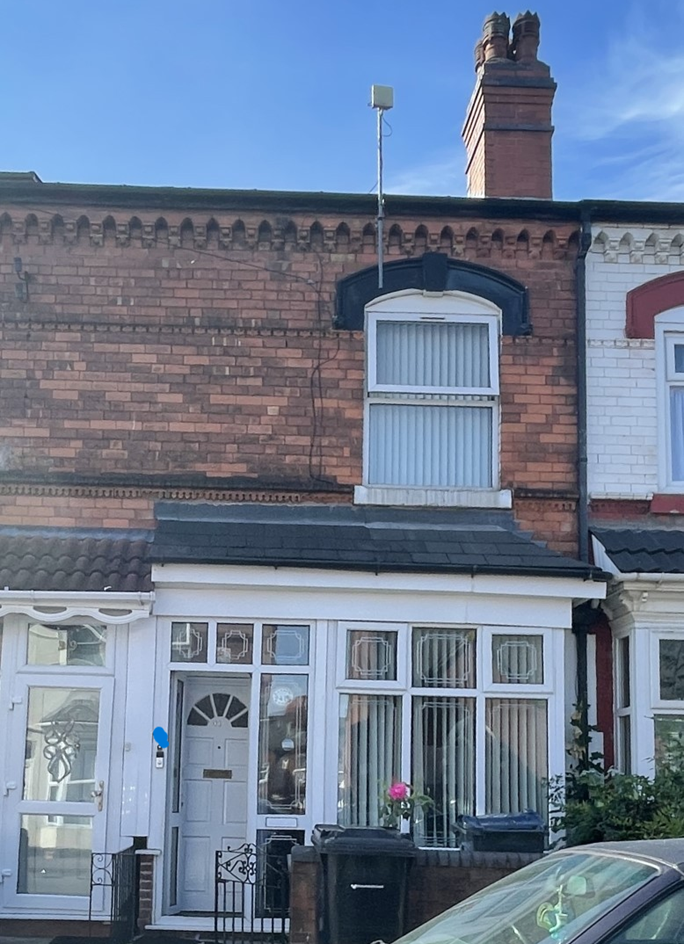
It was while living in Bristol that Willie met his wife-to-be, Ada Higginbottom. The couple married on 22 July 1901 and settled into their simple terraced house in Norris Road, a short walk from Villa Park. The house was almost certainly owned by the football club and rented to Willie as part of the transfer deal. This did mean that once the club no longer required your services, they would quite often want to take back their house and rent to the player that had been signed to take your place in the team.
Ada’s family was not pleased with the marriage. Footballers were not well paid and their careers were short. Worse than that, Ada was pregnant. This was regarded as shameful in late Victorian Britain. But another reason that may have increased the unhappiness of the Higginbottom family was the colour of Willie’s skin. Mixed marriages were usually met with disapproval.
Christmas Day 1901 was Willie and Ada’s first together. Ada was heavily pregnant – their daughter was born in February 1902. Disowned by her family, new to the area and carrying a child, it is possible Ada had spent that Christmas Day alone awaiting Willie’s return. Willie would have been in celebratory mood when he opened the front door and Ada was no doubt delighted at the return of her husband.
The marriage ended in tragic circumstances when Ada died of heart failure in 1906. The couple had two young daughters at this stage and Willie was left to bring them up as best he could.
By the time of Ada’s death Willie had joined Bradford City where he also became their first Black player and the first Black player to win a Football League medal when City won the Second Division title in 1908.
Willie later had spells at Lincoln City and Croydon Common before hanging up his boots in 1912. He became an upholsterer and, while living in Croydon, married his second wife, Nancy, in 1914.
When war with Germany was declared in August 1914, Willie immediately enlisted with the Army. He survived the war and was awarded the British Medal, Victory Medal and Star.
Willie and Nancy had six children and settled in Tunbridge Wells where Willie continued his second career of upholsterer. He died in 1949 after a long illness. He is buried in Tunbridge Wells alongside Nancy.