April 15th marks the anniversary of the Hillsborough tragedy, a moment where time stood still and football changed forever. Nearly three decades on, justice still remains the aim for all touched by the incident alongside the importance of honouring the 97 souls who lost their lives.
To respect their memories and tell the story of that day the museum proudly displays objects across our galleries which encourage all to reflect on one of football’s darkest days and remember those affected by the tragedy to this day.
On what was meant to be a glorious day of football, Liverpool and Nottingham Forest met at Sheffield Wednesday’s Hillsborough stadium with a place in the FA Cup final up for grabs. A tie with much anticipation brought with it an increased desire from fans of both teams to attend.
Failings by South Yorkshire Police would lead to overcrowding in parts of the ground, particularly the Leppings Lane End. Shortly after kick-off, disturbance was noted behind Bruce Grobbelaar’s goal but the severity of the situation hadn’t been realised.
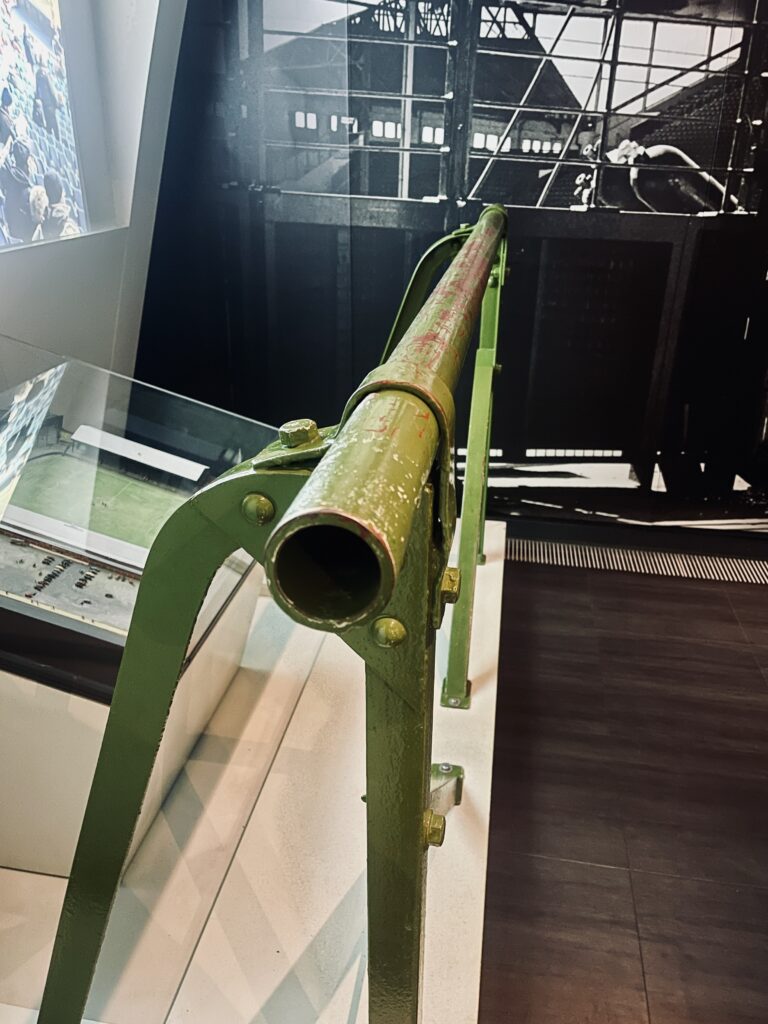
This barrier on display in our Match Gallery was in place at Saltergate, the home of Chesterfield FC. Barriers like these featured across sports grounds from the 1950s onwards and were implemented by stadium design pioneer Archibald Leitch. It was barriers like these which would have a profound effect on that April day and soon a mainstay of football’s terraces would be unbolted and removed from the stands as the game moved into an era of necessary change.
A man who saw the events of April 15th as they unfolded was Liverpool legend and then player manager Sir Kenny Dalglish. He would be a beacon of hope in a period of darkness for the club. Dalglish remained on the touchline throughout the day and made tannoy announcements amidst the distress in an attempt to aid fans.
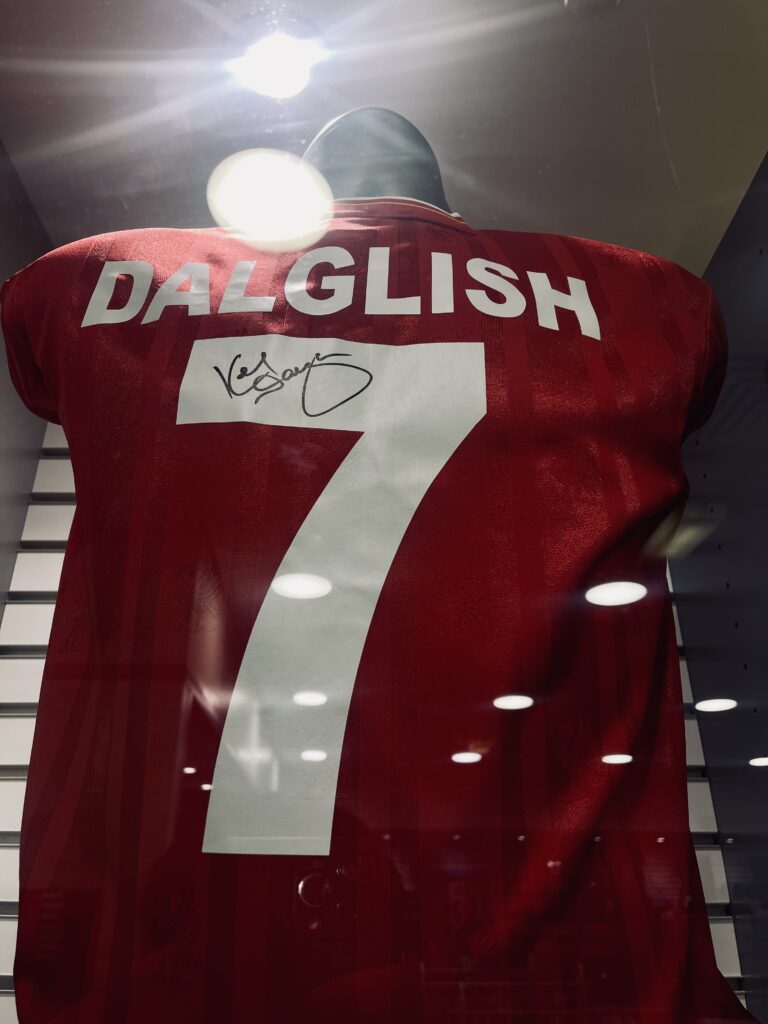
He later visited those injured at hospitals across the region and became a strong shoulder for families to lean on. Ensuring to attend the funerals with members of the squad and refusing to retake the field without the blessing of the fans. Dalglish would later dedicate his side’s FA Cup Final win to the families of the victims and the city of Liverpool.
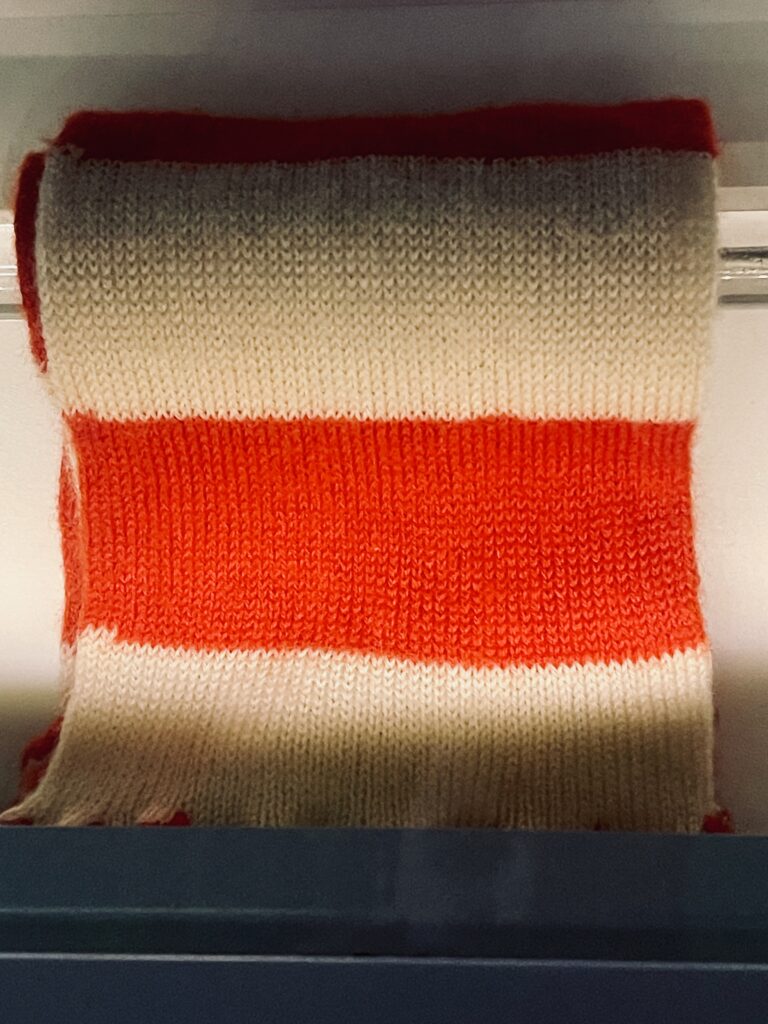
The outpouring from the football world following the tragedy, proved that football matters much more than being just a game. The Red and White scarf that features on our First Eleven was one of many laid between Anfield and Goodison Park and serves as a reminder of football’s wider family that came to support the city during its time of need.
It’s this support that would be needed to weather the media storm that followed. Despite efforts to lay the blame at the feet of fans, truth would prevail from inquiries into the incident with the ultimate compilation of the Taylor Report. A document that would reshape football stadiums, fan culture and public safety in the hope of preventing any others from enduring the hardships of Hillsborough.
Those changes now protect football fans across the pyramid in England. With the heights that the sport has now reached globally, it remains of great importance that the events of that day and the memory of all who lost their lives is forever commemorated and remembered.