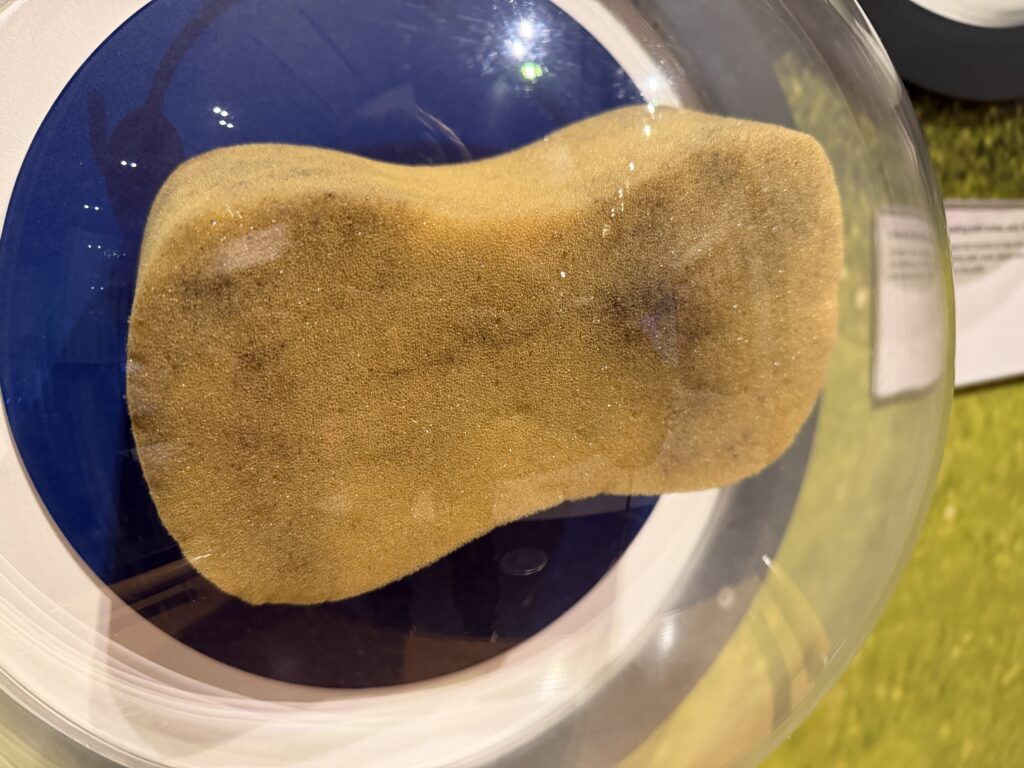
These days, club physiotherapists have various salves, sprays and treatments in their medical bag of tricks, ready to deploy at the referee’s say-so. However, in previous decades, their main weapon of choice was somewhat more rudimentary: the trusty bucket and sponge.
Its application purportedly dates back to the late nineteenth century. After some resistance and pressure from clubs, The FA formally approved the payment of players in July 1885, paving the way for said clubs to turn professional.
In 1906, the passing of the Workmen’s Compensation Act had implications for football clubs, decreeing that professional footballers were to be treated as employees, and as such were legally entitled to treatment should they become injured or suffer illness.
Alongside this, professionalism also meant that footballers were also considered prized assets, requiring protection from injury and costly spells on the sidelines, so as well as being a legal requirement, it was also in the club’s best interests to keep their players fit and healthy.
Sports science would evolve at pace after the First World War, but there was still a place for the bucket and sponge. It was very much still in use during the 1966 World Cup.
While Alf Ramsey was responsible for devising and deploying England’s tactics, team trainer Harold Shepherdson focused on the squad’s fitness and preparation, alongside physio Les Cocker.
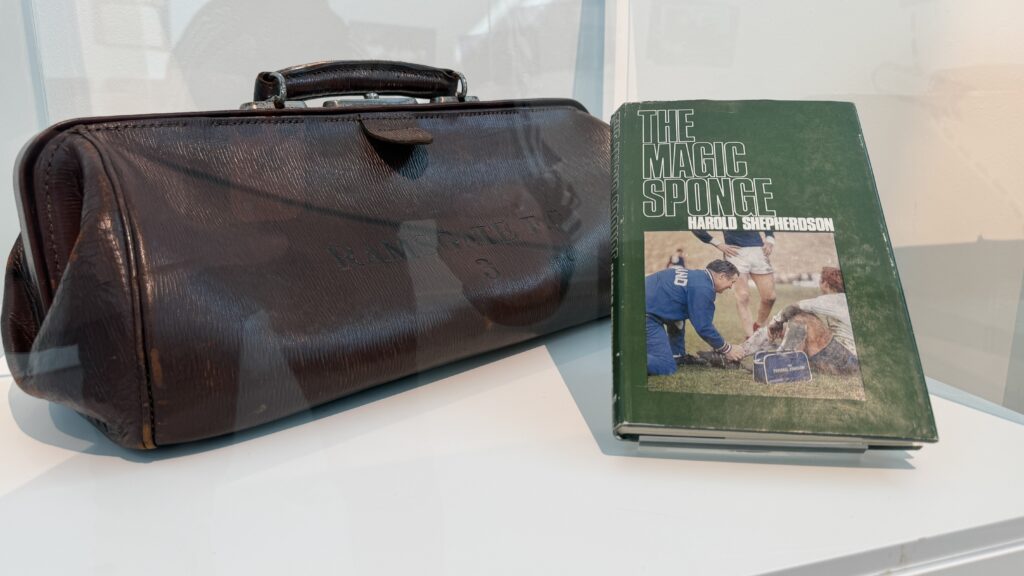
In one iconic image from the final, Shepherdson can be seen leaping with delight with his bucket and sponge very much in the frame. Shepherdson even named his autobiography The Magic Sponge, a wry nod to the piece of equipment most associated with his role.
So, after all that, what actually made the sponge magic?
You might think that it was imbued with some special ointment or solution, but in fact it was one of the most simple treatments available to trainers: ice cold water.
Applying something cold to the affected area immediately serves to numb the pain and reduce any inflammation and swelling in the short term. It’s not going to fix a broken leg or a torn ACL, but can be effective for sprains, cuts and bruises, getting players back on their feet as quickly as possible.
While the bucket and sponge may not be as prevalent as in previous decades, physios still carry the 2026 equivalent in their bags: namely ice packs, freeze sprays and trigger water bottles.